
Gluten Free Flour Showdown: Best Amazon Buys for Home Bakers
This article contains affiliate links. We may earn a commission on qualifying purchases at no extra cost to you—this helps Fit Line Magazine deliver free, expert fitness reviews and guides. All recommendations are based on independent research and testing.
Say goodbye to gluten bloat while still enjoying fluffy pancakes and recovery muffins—this guide compares Amazon's leading gluten-free flours for serious home bakers. We selected the top bestsellers that perform reliably—saving you hours of research—so you can confidently bake cakes, cookies, muffins, and brownies with professional results.
What will you find it this guide? From affordable options to premium choices, these picks suit every budget and keep your training fueled without digestive issues. Discover your ideal gluten free flour below.
Why Gluten-Free Flour Can Be a Good Substitute
Before we dive into the rankings, let's examine why gluten-free flour serves as an effective substitute for traditional wheat flour—especially for those prioritizing performance and recovery. These flours support better digestion, reduce inflammation, and provide nutrient-dense, fiber-rich alternatives to refined wheat, making them ideal for individuals with sensitivities or anyone seeking cleaner fuel. For those with celiac disease or gluten intolerance, the switch eliminates bloating and fatigue, directly enhancing workout consistency and recovery.
Digestive Health Higher Nutritional Density & Weight Management
Gluten often triggers distress like gas, cramps, and diarrhea in sensitive individuals—gluten-free options such as almond, coconut, or oat flour minimize this, enabling uninterrupted training. Many have a lower glycemic index than white flour, delivering steady energy without blood sugar spikes or crashes. Reduced inflammation also speeds recovery from intense sessions.
Nut- and legume-based flours like chickpea or almond deliver more protein and fiber than wheat, aiding muscle repair and satiety.
The high fiber content promotes fullness, curbing appetite and overeating, while cleaner, less-processed ingredients avoid additives common in refined flours.
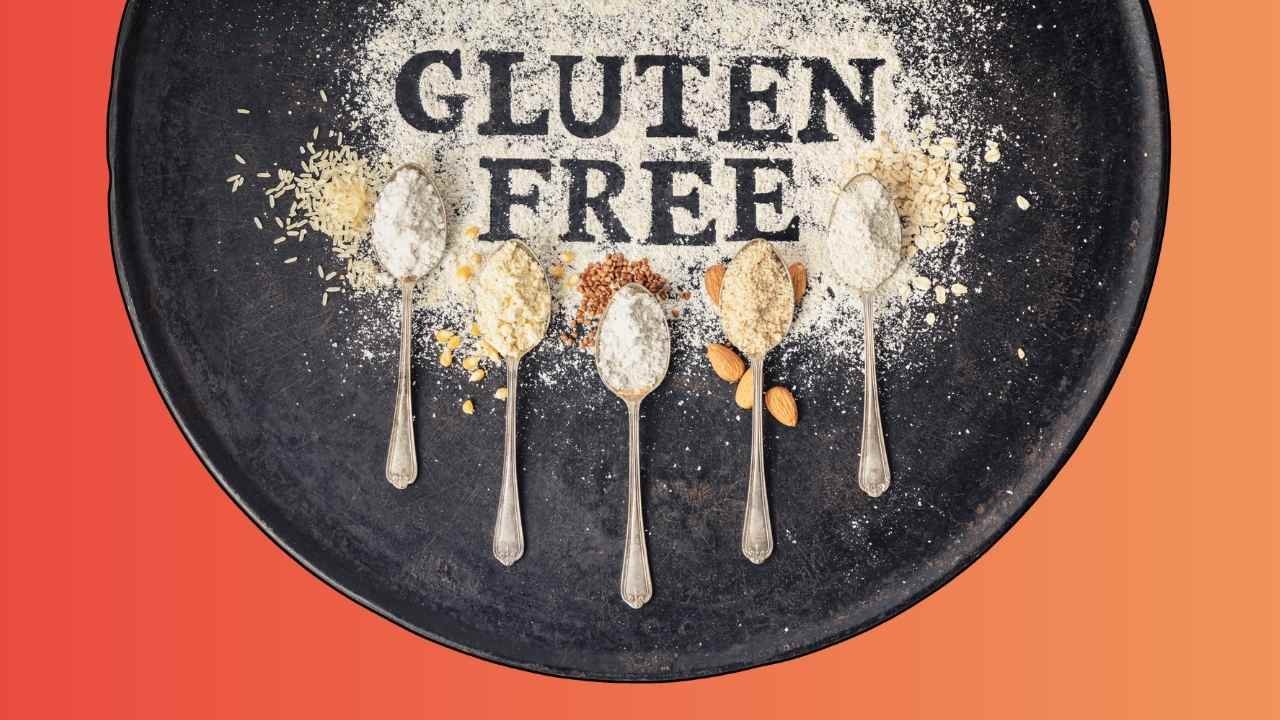
Pick The Best Gluten Free Flour For Your Needs
1. Blue Diamond Almonds Almond Flour
Blue Diamond Almonds Almond Flour arrives in a generous 3lb bag, finely sifted from high-quality blanched almonds for seamless integration into your baking routine. It excels in recipes requiring precision, supporting Keto and Paleo lifestyles with its low-carb, high-fat profile that aligns perfectly with fitness goals.
This flour delivers a silky smooth texture that customers consistently praise for macarons, keto breads, and other baked goods—offering excellent freshness that lasts without clumping or spoilage. Home bakers appreciate its neutral taste and reliable performance, making it a staple for protein-packed muffins or recovery treats that fuel training without gluten-related slowdowns. Ideal for athletes seeking nutrient-dense swaps that maintain structure and flavor.
2. Bob’s Red Mill White Rice Flour
Bob's Red Mill White Rice Flour is a naturally gluten-free, finely ground option that serves as an essential staple in gluten-free kitchens, delivering a neutral flavor ideal for a wide range of baked goods, breading, and thickening tasks. Its delicate, spongy quality shines in cakes, cookies, muffins, rice noodles, dumplings, and crispy tempura-style batters, while also excelling as a smooth thickener for soups, stews, gravies, and protein coatings that yield a crisp, golden finish.
Customers highlight its superior preparation for sourdough baking—outperforming wheat-based roux in texture and results—with consistent praise for its smooth consistency, fresh taste, and excellent value. This flour's gluten-free reliability and affordability make it a practical choice for athletes incorporating it into everyday recipes that support sustained energy and performance.
3. Otto’s Naturals Multi-Purpose Cassava Flour
Otto's Naturals Cassava Flour transforms gluten-free baking with its wheat-like taste and texture, serving as a direct 1:1 substitute in recipes from pancakes, waffles, and cookies to pizza crusts and tortillas. Derived from 100% cassava, this Top 9 allergen-free, grain-free, nut-free, Paleo-friendly, and certified Non-GMO option ensures wholesome, worry-free results for the entire family.
Customers praise its satiny smooth consistency for producing soft, fluffy baked goods and fantastic pizza without a bitter aftertaste, excelling equally in savory dishes and frying applications. Its ease of use and reliable performance make it an excellent choice for athletes seeking a versatile flour that maintains structure and flavor in performance-supporting recipes.
4. Bob’s Red Mill Organic Coconut Flour
Bob's Red Mill Organic Coconut Flour is a naturally gluten-free option, ideal for grain-free baking and cooking, with its high fiber content making it a strong fit for low-carb, Paleo, or Keto lifestyles. This versatile flour works well in pancakes, cookies, muffins, or as a coating for proteins, while its mild coconut flavor complements both sweet and savory dishes.
Certified Organic and Non-GMO Project Verified, it is finely milled from premium coconuts for consistent quality and freshness, earning praise from customers for its pleasant aroma and reliable performance in gluten-free recipes. Athletes value its nutrient profile for supporting sustained energy and digestive health in everyday baking.
5. NOW Foods Organic Tapioca Flour
NOW Foods Organic Tapioca Flour, derived from the cassava plant root, excels as a gluten-free thickening agent beyond traditional puddings, adding chewy texture and moisture control to a variety of recipes. It produces soft, tender baked goods such as breads, cookies, cakes, and biscuits, while effectively absorbing excess liquid in fruit pies, soups, and sauces.
Customers commend its high quality and versatility, particularly for creating boba pearls and thickening gravies with reliable results. This flour's neutral profile and performance make it a practical addition for athletes incorporating gluten-free elements into meal prep that requires consistent structure and binding.
6. Bob’s Red Mill Chickpea Flour
Bob's Red Mill Chickpea Flour is freshly milled from whole garbanzo beans, offering a rich, nutty flavor and smooth texture that establishes it as an essential pantry staple for those avoiding wheat. This versatile flour supports traditional Middle Eastern, Indian, and Mediterranean dishes such as socca, pakoras, hummus, farinata, falafel, and flatbreads, while also excelling in baking, soup thickening, and crispy coatings for proteins.
Protein-packed with 5 grams per serving and a strong source of fiber, it provides plant-based nutrition that enhances muffins, pancakes, crackers, pizza crusts, and sauces—serving as an effective egg substitute or gluten-free alternative. Customers value its consistent quality, even texture, and ease of use, particularly for homemade falafel and farinata, noting its excellent taste and contribution to vegan protein intake for sustained energy.
7. Bob’s Red Mill Potato Flour
Bob's Red Mill Potato Flour stands out for its reliable performance in gluten-free baking, delivering the soft texture essential for breads, hamburger buns, and other baked goods that require structure and moisture retention. Customers highlight its quality in enhancing bread consistency while also excelling as a smooth thickener for gravies and sauces.
This flour integrates seamlessly into gluten-free recipes, earning consistent praise for its ability to produce tender results without compromising flavor or handling. For athletes incorporating gluten-free options into their meal preparation, it offers a practical solution for nutrient-supporting baked items that maintain quality and digestibility.
8. Bob’s Red Mill Gluten Free Oat Flour
Bob's Red Mill Gluten Free Oat Flour is produced from whole grain oat groats, retaining the full flavor and nutritional benefits of the original grain, including 4 grams of protein and 4 grams of fiber per serving. This makes it an excellent choice for cakes, rolls, quick breads, matzo, and particularly pancakes, where it can replace all or part of wheat flour to enhance flavor and nutrition while delivering a subtle oat taste and hearty texture.
Customers appreciate its performance in pancake batters, noting the gluten-free formulation produces delicious, satisfying results suitable for diverse baking needs. For those maintaining a fitness-focused diet, this oat flour provides a nutrient-dense option that supports energy and digestive health in everyday recipes.
9. BIONA Organic Chestnut Flour
BIONA Organic Chestnut Flour offers a rich, nutty flavor with natural sweetness, produced from 100% whole ground chestnuts and certified organic for assured purity. It serves as an effective flour alternative in cooking and baking, particularly in recipes that benefit from its distinctive taste profile rather than requiring a neutral 1:1 wheat substitute.
Customers commend its excellent quality, especially for cake baking where it delivers wonderful taste and appealing texture. This flour suits athletes seeking nutrient-dense options that add depth to recovery-focused baked goods, provided the nutty character aligns with the dish.
How to Use Gluten-Free Flour in Your Kitchen
Gluten-free flours open up versatile applications across baking, cooking, and meal preparation, allowing athletes to maintain familiar recipes while supporting digestive health and sustained energy. Below, we outline practical uses for each flour featured in our showdown, organized by category for easy reference.
Almond Flour:
Baking & Desserts: Chocolate chip cookies, macarons, almond cake, banana bread, brownies, scones.
Breakfast: Light pancakes, waffles, blueberry muffins.
Savory Dishes: Breading for chicken tenders or vegetables, pizza crust, binders in meatballs.
White Rice Flour:
Baking: Crunchy cookies, pound cakes, flaky pie crusts, quick breads.
Breakfast & Snacks: Crisp pancakes, crepes, savory muffins, rice crackers.
Asian Dishes: Bánh Xèo pancakes, radish cakes, rice noodles.
Thickening: Soups, sauces, gravies—stable when cooled.
Cassava Flour:
Breads & Doughs: Flatbreads, tortillas, pizza crusts, bagels, sandwich loaves.
Breakfast: Fluffy pancakes, waffles, cinnamon rolls.
Desserts: Fudgy brownies, chewy cookies, pie crusts.
Savory: Brazilian cheese bread, wraps, fried coatings, gnocchi.
Coconut Flour:
Pizza crusts, wraps, meatloaf binders.
Thickening soups and stews.
Tapioca Flour:
Baked goods: Soft breads, cakes, biscuits.
Thickening: Pies, soups, sauces (superior moisture absorption).
Specialty: Boba pearls, gravies.
Chickpea Flour:
Pancakes & Crepes: Socca, pudla, wraps.
Fried Snacks: Pakoras, panelle, chickpea fries.
Main Dishes: Vegan omelets, falafel binders, kadhi curry.
Thickening & Coating: Roux, breading for fish or tofu.
Potato Flour:
Baking: Moist yeast breads, hamburger buns, pancakes, biscuits.
Savory: Smooth gravies, gnocchi, veggie burgers, fritters.
Oat Flour:
Muffins, quick breads, cookies, crisps, crumbles—adds hearty texture to pancakes.
Chestnut Flour:
Desserts: Castagnaccio cake, crepes, brownies, waffles.
Savory: Pasta, gnocchi, rustic breads, biscuits.
Other: Creamy porridges, soup thickener.
These applications demonstrate the flours' adaptability, enabling precise substitutions that preserve quality in performance-oriented recipes.
How We Chose Our Best Gluten-Free Flours
Navigating the overwhelming volume of reviews and recipes can be daunting—we cut through the noise by rigorously testing these gluten-free flours in our own kitchen to verify their taste, texture, and real-world performance. We delved into cooking communities, forums, and social platforms to cross-reference Amazon feedback against actual results, ensuring no gap between hype and delivery.
Our goal was a comprehensive guide featuring the most widely used options, so you can confidently tackle any dish—from everyday muffins to specialty breads—using these reliable products. This hands-on approach prioritizes flours that consistently excel in flavor, consistency, and versatility for practical home cooking.
Gluten-Free Flour FAQs
1. Can gluten-free flour help with weight loss or fitness goals?
Yes—many options like almond, chickpea, and coconut flours are higher in protein and fiber than wheat, promoting satiety and stable blood sugar for sustained energy during workouts. Their nutrient density supports muscle recovery while reducing bloating, making them ideal for performance-focused meal prep.
2. What's the best fat to use with gluten-free flours for baking?
Opt for heart-healthy fats that enhance moisture and texture: avocado (replaces butter in cakes for creaminess), extra virgin olive oil (savory breads, muffins), coconut oil (Paleo/keto cookies—use in moderation), or nut butters (almond/peanut for protein-packed blondies). These add healthy monounsaturated fats without gluten cross-contamination, outperforming shortening for flavor and nutrition.
3. How Can I Store Gluten-Free Flour in Humid Climate ?
Proper storage preserves the freshness, flavor, and nutritional quality of gluten-free flours, particularly in humid environments like Hong Kong where moisture and pests pose challenges. Use airtight containers made of glass or thick plastic, or opt for refrigerator/freezer bags to keep flour in the fridge or freezer—this effectively prevents moisture absorption, rancidity, and contamination.
Key Storage Tips
Refrigerator or Freezer: The most reliable method for long-term freshness, especially for high-fat options like nut or almond flour, which should always be frozen in warm climates to avoid spoilage.
Airtight Containers: Select models with secure, locking lids to block humidity completely.
Avoid Paper Bags: Never store opened flour in its original packaging, as it allows easy moisture penetration.
Double Protection: Transfer the tightly sealed original bag into a larger airtight container or heavy-duty plastic bag for added security.
These practices ensure your flours remain performance-ready for consistent baking results.
Final Words
Thank you for joining us in this gluten-free flour showdown—we hope you've found the reliable options that fit your kitchen and fitness goals. Whether you're baking protein muffins for pre-workout fuel or savory flatbreads for recovery, these picks deliver consistent results.
Share this guide with fellow home bakers and athletes in your network, subscribe to Fit Line Magazine's newsletter for more tested gear and recipe insights, and let's get cooking—your next great bake awaits.