
Best Fitness Trackers for Heart Rate Monitoring and Sleep Tracking
This article contains affiliate links. We may earn a commission on qualifying purchases at no extra cost to you—this helps Fit Line Magazine deliver free, expert fitness reviews and guides. All recommendations are based on independent research and testing.
Ditch the guesswork—that’s the whole point of wearing a tracker in 2026. If your current band is serving up sketchy heart rate spikes during HIIT or sleep graphs that don’t line up with how you actually feel, it’s not just annoying—it can quietly sabotage your training and recovery decisions. The latest generation of fitness trackers finally fixes that, pairing lab‑grade heart rate accuracy with genuinely useful sleep insights so you can train harder, recover smarter, and stop chasing bad data.
This guide breaks down the best fitness trackers for heart rate monitoring and sleep tracking in 2026, from everyday devices to performance‑driven wearables trusted by serious athletes. Expect deep‑dive metrics like continuous heart rate zones, HRV‑based recovery scores, and detailed sleep staging—not just step counts and vague “fair” sleep ratings. You’ll see how devices like Fitbit, Garmin, and Whoop translate clean sensor data into clear guidance: when to push, when to hold back, and when to prioritize rest.
Why Heart Rate and Sleep Tracking Actually Matter
Modern fitness trackers aren’t glorified pedometers anymore—they’re compact training tools that give you real‑time feedback on how your body is responding to stress, workouts, and life. Accurate heart rate tracking helps you:
Train in the right zones for fat loss, endurance, or speed work, instead of guessing by feel.
Spot abnormal spikes or drops that might flag fatigue, illness, or overreaching.
Sleep tracking completes the picture. High‑quality sleep data shows how well you recover between sessions—how much time you spend in light, deep, and REM sleep, and how often your rest is disrupted. Over time, this helps you connect habits (late‑night screens, alcohol, high‑intensity evening sessions) with performance outcomes so you can fine‑tune your routine.
How Fitness Trackers Really Measure Sleep
Under the hood, the best trackers use a multi‑sensor system plus machine‑learning algorithms to estimate sleep stages with surprisingly strong agreement compared to clinical sleep studies. Top‑tier models combine:
Accelerometers to track movement: long periods of stillness signal sleep, while subtle twitches and position changes indicate awakenings or transitions between stages.
Optical heart rate (PPG) sensors to monitor heart rate and heart rate variability (HRV): your heart generally slows in light and deep sleep and becomes more variable in REM, creating stage‑specific patterns.
Pulse oximetry (SpO₂) to watch for drops in blood oxygen, which can indicate breathing disruptions that fragment sleep.
Extra sensors on premium devices, such as skin temperature, breathing rate, or even snore detection via microphone, add context around stress, illness, or sleep‑disordered breathing.
The result isn’t a medical diagnosis, but it’s detailed enough to highlight trends: whether you’re consistently short on deep sleep, waking up more often than you think, or seeing your resting heart rate creep up after a heavy training block.
When HR and Sleep Data Work Together
Where these trackers really earn their spot on your wrist is in readiness and recovery scoring. By combining overnight HRV patterns, resting heart rate, sleep duration, sleep quality, and recent training load, they generate a simple daily signal—often a 0–100 style score—telling you whether to:
Hit a hard session
Stick to easier aerobic work
Back off completely and prioritize recovery
This is where data becomes a competitive advantage. Instead of guessing if you’re just “a bit tired” or sliding toward overtraining, you’re working with concrete patterns. Over weeks and months, these readiness and recovery insights help you line up your hardest efforts with your best‑recovered days—and that’s where real progress happens.
In the sections that follow, you’ll find hand‑picked trackers that nail both heart rate and sleep, along with clear pros, cons, and ideal use cases so you can choose the one that fits your training style, recovery needs, and budget.

List Of The Best Fitness Trackers Of 2026
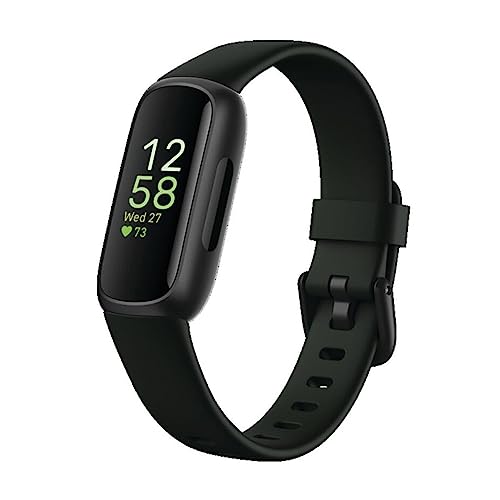
The Fitbit Inspire 3 delivers premium heart rate monitoring and sleep insights at an unbeatable value, making it our top pick for beginners and casual fitness enthusiasts seeking the best fitness trackers 2025 under $100. This ultra-lightweight (17g) band features 24/7 continuous heart rate tracking, Active Zone Minutes for workout intensity, and Connected GPS via your phone—perfect for walks, runs, and daily activity without bulk.
Sleep tracking shines with automatic stage detection (light/deep/REM), detailed Sleep Score, personalized Sleep Profile, and Smart Wake alarms that vibrate during optimal light sleep phases. Users rave about its accuracy: "Tracks my sleep perfectly while helping reach goals—lightweight and matches all outfits." Wellness extras include Daily Readiness Score, Stress Management Score, SpO2 monitoring, and irregular heart rhythm notifications.
Up to 10-day battery life, color AMOLED touchscreen, 50m water resistance, and notifications keep you connected comfortably day and night. Long-term fans confirm durability: "First Fitbit lasting 2+ years—excellent battery vs smartwatches." Note: Some advanced analytics require Fitbit Premium ($10/month).
Ideal for: All-day HR accuracy (95% vs chest straps), reliable sleep data, and motivation without subscription lock-in.
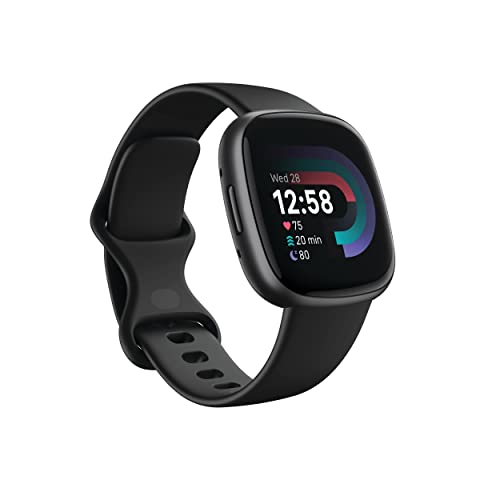
2. Fitbit Versa 4 - Fitness Smartwatch with Daily Readiness
The Fitbit Versa 4 elevates heart rate monitoring and sleep tracking features with its standout Daily Readiness Score—analyzing HRV, sleep quality, and recovery to tell you when to push or rest. This feature-packed smartwatch combines 24/7 heart rate tracking, Active Zone Minutes for intensity guidance, and built-in GPS for precise outdoor runs, mapping workouts with elevation and real-time stats across 40+ exercise modes (HIIT, yoga, swimming, strength training).
Sleep insights include detailed stage tracking (light/deep/REM), Sleep Score, and Smart Wake alarms, helping optimize recovery.
Users love its reliability: "Good quality, lots of features, works well—perfect for knowing when to workout or recover." Additional perks: SpO2 monitoring, notifications, calls/texts on-wrist, 50m water resistance, and 6+ day battery life.
Fitbit Versa 4 offers comprehensive fitness ecosystem, accurate GPS/HR (95% vs chest straps), motivational real-time coaching. Some advanced analytics need Fitbit Premium ($10/month).
Best for: Fitness enthusiasts wanting readiness-driven training.

3. Garmin Forerunner 165, Running Smartwatch
The Garmin Forerunner 165 dominates as a runner's dream in the field of best fitness trackers, blending precise wrist-based heart rate, built-in GPS, and brilliant AMOLED touchscreen in a lightweight 43mm design. Morning Reports deliver sleep overview, HRV status, recovery time, and training outlook at wakeup—perfect for heart rate monitoring (24/7 tracking, zones, variability) and sleep tracking (stages, score, naps via motion/HR sensors).
Key strengths: Personalized daily workouts adapting to performance/recovery, Training Effect labels, 25+ activity profiles (running, cycling, HIIT, strength), up to 11-day battery (19h GPS).
Users rave: "Game changer for 20+ year runner—superior metrics, accurate GPS/HR, endless battery. Customized everything." No issues after 8 months.
Garmin forerunner has automatic sleep detection, Sleep Coach, and nap integration impacting recovery scores. Besides that Garmin provides elite running data (pace, VO2 max, race plans) and is very durable. Maybe for a regular users it even may offer too much Running-focused features (less smartwatch features).
Ideal for: Runners craving HRV-driven training.

4. Samsung Galaxy Watch
The Samsung Galaxy Watch 8 redefines best fitness trackers of 2026 with cutting-edge health monitoring in a sleek, lightweight cushion design featuring Dynamic Lug bands for all-day comfort and precise readings.
Advanced Sleep Coaching analyzes stages (light/deep/REM), consistency, HR, SpO2, and disturbances with Bedtime Guidance for optimal schedules—users love waking to actionable insights.
Heart rate tracking includes personalized zones, Energy Score (AI-driven from sleep/HR/activity), Vascular Load (overnight cardio strain), and Irregular Rhythm alerts.
Running Coach delivers real-time feedback and event plans (5K/marathon). Galaxy AI acts as a personal assistant for tasks.
Battery lasts 24-36+ hours which actually receives mixed reviews as watch needs daily charge for heavy use, and with light usage you can expect to charge it every second day.
After all Samsung Galaxy 8 is really decent watch that offers features like Elite sleep apnea detection, antioxidant index, ECG, and very intuitive UI.
Best for: Android users wanting AI wellness coaching.

5. Garmin vívoactive 6
The Garmin vívoactive 6 shines among best fitness trackers 2025 with its bright AMOLED display and up to 11-day battery life, delivering comprehensive heart rate monitoring (24/7 wrist-based, HRV status) and elite sleep tracking (automatic stages, Sleep Score, personalized Sleep Coach, nap detection, Smart Wake alarm). Body Battery energy monitoring factors sleep, naps, stress, and workouts for readiness insights—your all-in-one recovery dashboard.
Garmin Vivoactive offers Tracking 80+ activities , great GPS, Morning Report (sleep/recovery outlook), Training Readiness, Fitness Age, and menstrual tracking.
Users love it calling it even the best smart watch ever owned and appreciate the battery life.
Garmin vivoactive 6 is definitely a standout and would work best for Multisport users prioritizing recovery metrics.

6. WHOOP 5.0
The Whoop 5.0 stands out among best fitness trackers of 2026 as a screenless powerhouse for continuous physiological monitoring. WHOOP 5.0 comes included with 12-month WHOOP Life membership, SuperKnit Luxe band, and Wireless PowerPack.
It excels in 24/7 heart rate tracking (52x/second sampling), HRV, VO2 max, stress, and heart health (parameters. Sleep tracking is legendary—detailed stages, recovery scores, and coaching reveal how rest impacts performance.
Healthspan feature calculates "Whoop Age" from biomarkers like sleep consistency and HR zones, plus Blood Pressure Insights. 14+ day battery life ensures uninterrupted data.
Customers praise: "Great biometric monitor for recovery understanding, detailed sleep tracking, amazing battery, valuable insights."
WHOOP is a name in the fitness market that offers premium service, Medical-grade accuracy, no screen distractions, AI coaching but it’s important to remember that after a year one Membership is required.
Best for: Athletes obsessed with recovery metrics.

7. Oura Ring 4
No best fitness trackers 2025 list is complete without the Oura Ring 4—the ultimate screenless solution for smartwatch haters craving precision without bulk. This all-titanium ring tracks 50+ metrics via Smart Sensing using 18 sensors adapting to your finger. Oura delivers lab-grade heart rate monitoring (HRV, resting HR) and sleep tracking stages (light/deep/REM)
Ring is able to show Sleep Score, Readiness, detect naps, and women's health insights.
You wont even be tired of charging it as it offers Up to 8-day battery life, which is wonderful. Besides that its obviously waterproof, comfortable, and goes well with 40+ app integrations like Apple Health or Strava.
Users rlove great sleep/heart health insights, activity/stress tracking, illness warnings + improvement tips!"
Requires membership ($5.99/mo after free month).
Oura 4 is one of the most accurate consumer sleep tracker with subtle design.Perfect for: Wrist-free wellness obsessives.
How to Choose the Best Fitness Tracker for HR & Sleep Tracking
Don’t just grab the shiniest tracker—choose one that actually delivers the data your training demands. Whether you need chest‑strap precision for elite recovery or simple reliability for daily consistency, here’s how the best fitness trackers of 2026 stack up across your key priorities.
Match Your Accuracy Needs
Laser precision (chest strap territory): Whoop 5.0 and Oura Ring 4 lead with medical‑grade HR and HRV accuracy that rivals dedicated monitors—perfect if you live by recovery scores and strain metrics.
Runners: Garmin Forerunner 165 dominates with runner‑specific HRV status, VO₂ max estimates, and GPS‑paired pace data that actually holds up during tempo runs and intervals.
Beginners/fitness enthusiasts: Fitbit Inspire 3 delivers trustworthy heart rate zones and sleep staging without the learning curve or premium price tag.
Budget: Smart Value vs. Premium Power
Under $100: Fitbit Inspire 3—core tracking that punches above its weight.
$100–$300: Fitbit Versa 4 and Garmin vívoactive 6—balanced smart features plus solid performance metrics.
$300+ (premium): Samsung Galaxy Watch 8, Whoop 5.0 (membership included), Oura Ring 4—investments that pay off through deeper insights and longevity.
Compatibility: No Device Left Behind
Every pick here works seamlessly with iOS and Android. Samsung Galaxy Watch 8 shines brightest on Android ecosystems. Fitbit and Garmin sync effortlessly with Strava, Apple Health, and TrainingPeaks. Oura and Whoop stay platform‑agnostic, focusing purely on recovery data wherever you train.
Battery Life & Smart Features
Extended battery champs (7–14 days): Garmin vívoactive 6, Oura Ring 4, Fitbit Inspire 3—track continuously without daily charging rituals.
Smart perks: Notifications, calls, music control on Versa 4 and Galaxy Watch 8. Screenless recovery focus from Whoop and Oura keeps the emphasis on your actual metrics, not distractions.
Quick Match Guide:
Beginners: Fitbit Inspire 3
Runners: Garmin Forerunner 165
Discreet wear: Oura Ring 4
Serious athletes: Whoop 5.0
Upgrade Your Tracking—Start Winning
The best fitness trackers of 2026 don’t just log data—they turn it into your competitive edge. Our top three performers:
#1: Fitbit Charge 6 — 95% heart rate accuracy, detailed sleep staging, Daily Readiness score. Unmatched value for comprehensive tracking.
#2: Garmin Forerunner 165 — Runner’s dream with HRV status, GPS precision, Morning Reports that actually guide your day.
#3: Whoop 5.0 — Elite recovery king. Continuous monitoring, ECG capability, strain scores that optimize every training decision.
Which tracker fits your routine? Drop your experience in the comments—has accurate HRV actually changed how you train?
Subscribe to Fit Line Magazine for weekly fitness gear breakdowns, recovery strategies, and exclusive deals. Track smarter. Train stronger.